


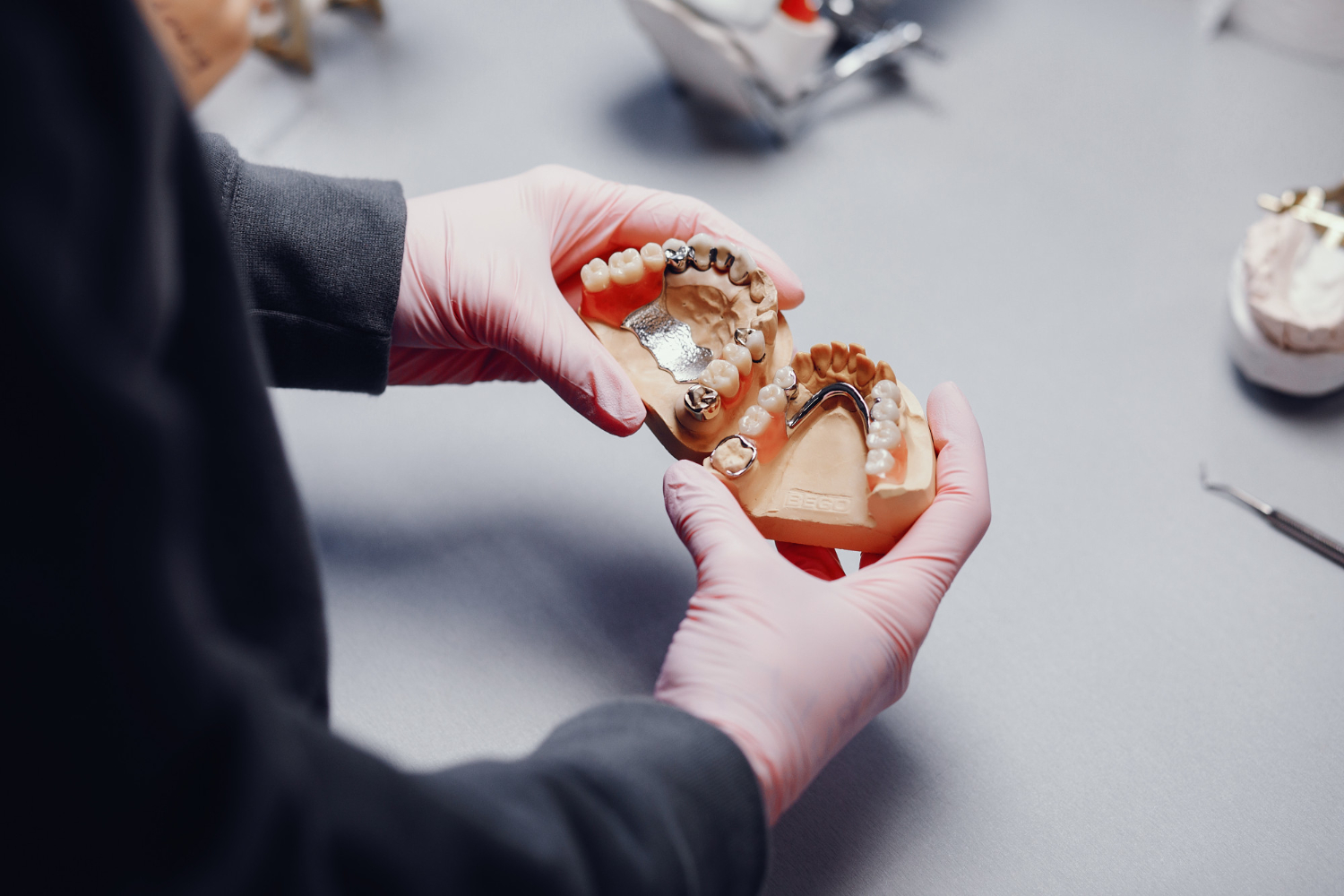
Implant Prosthesis: An Overview
When it comes to restoring a confident smile, implant prostheses stand out as a superior choice for many patients. Understanding the various types of implant prostheses can significantly enhance your decision-making process when considering dental implants. These advanced solutions not only mimic the look and feel of natural teeth but also provide unparalleled stability and durability.
Dental implants serve as the foundation for several prosthetic options, catering to diverse needs and preferences. From single-tooth replacements to full-arch restorations, understanding these options is crucial. Single-tooth implants are ideal for those missing one tooth, while implant-supported bridges are perfect for replacing multiple teeth in a row without affecting adjacent healthy teeth.
For those seeking full-mouth rehabilitation, full-arch fixed or removable prostheses offer transformative results. Each type of implant prosthesis is designed with specific benefits in mind, ensuring that patients can choose an option that aligns with their lifestyle and oral health goals.
By delving into the basics of implants and exploring the wide range of available prosthetic options, you empower yourself to make informed decisions about your dental health. Embrace the future of dentistry with confidence by choosing an implant solution tailored just for you—a choice that promises functionality and aesthetics combined seamlessly.
The Benefits of Choosing an Implant Prosthesis Over Traditional Alternatives
When it comes to replacing missing teeth, the decision between dental implants and traditional dentures is crucial. Understanding the benefits of implant prostheses can help you make an informed choice that best suits your needs.
One of the primary advantages of dental implants over dentures is their stability and durability. Implants are anchored directly into the jawbone, offering a secure fit that mimics natural teeth.
Moreover, implants contribute significantly to oral health by preventing bone loss. When a tooth is lost, the jawbone can begin to deteriorate over time if not stimulated properly. Unlike dentures, which sit on top of the gums and do not provide this stimulation, implants act like natural tooth roots and help maintain bone density.
Aesthetically speaking, dental implants offer a more natural appearance than dentures. They are designed to blend seamlessly with your existing teeth in both color and shape, providing a confident smile without any telltale signs of replacement.
Finally, while the initial investment for dental implants may be higher than that for dentures, they offer long-term cost-effectiveness due to their longevity. With proper care, implants can last a lifetime without needing frequent replacements or adjustments common with traditional alternatives.
Choosing implant prostheses means opting for comfort, functionality, and aesthetics—all critical factors contributing to overall quality of life. When weighing your options between dental implants vs dentures, consider these compelling benefits as reasons why choosing implants could be your best decision yet.
Diving into the Different Types of Implant Prosthesis

When considering dental implants, it’s essential to understand the different types available to make an informed decision that suits your specific needs. Let’s dive into the world of implant prosthesis and explore the various options.
Endosteal implants are perhaps the most common type of dental implant, favored for their effectiveness and durability. These implants are surgically placed directly into the jawbone, providing a stable foundation for artificial teeth. Ideal for patients with sufficient bone density, endosteal implants mimic natural tooth roots and offer a long-lasting solution.
For those who may not have enough healthy jawbone for endosteal implants, subperiosteal implants present a viable alternative. Unlike their counterparts, subperiosteal implants sit on top of the jawbone but beneath the gum tissue. This type is particularly beneficial for individuals who prefer not to undergo bone augmentation procedures or have minimal bone height.
In more complex cases where traditional methods fall short, zygomatic implants come into play. Zygomatic implants offer a revolutionary approach when other options might be limited or ineffective.


